Understanding Verhoeff Histology Staining Kits
Verhoeff histology staining kits have become an essential tool in the field of histology, providing a reliable method for staining and examining tissue samples. These kits are widely used in medical research and diagnosis, allowing scientists and medical professionals to gain a deeper understanding of tissue structure and function. With the increasing importance of histology in medical research, it is crucial to understand the role of Verhoeff staining kits and how they can be used effectively.
What are Verhoeff Staining Kits?
Verhoeff staining kits are a type of histological stain used to highlight the elastic fibers present in tissue samples. Elastic fibers are an essential component of connective tissue, providing elasticity and flexibility to various organs and tissues. The Verhoeff stain is a specific type of stain that targets these elastic fibers, allowing researchers to visualize and study their structure and distribution. 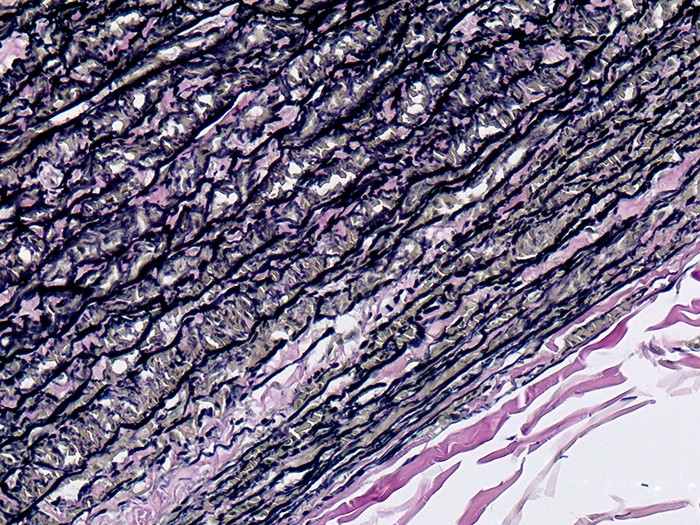
Common Mistakes in Using Verhoeff Staining Kits
Despite the importance of Verhoeff staining kits, many researchers and medical professionals make common mistakes when using these kits. One of the most significant errors is inadequate preparation of the tissue sample, which can lead to poor staining results. Another mistake is the use of incorrect staining protocols, which can result in over-staining or under-staining of the sample. To avoid these mistakes, it is essential to follow established protocols and guidelines for using Verhoeff staining kits.
Smarter Alternatives to Traditional Staining Methods
In recent years, newer staining methods have been developed, offering smarter alternatives to traditional Verhoeff staining kits. These newer methods include the use of immunohistochemistry and molecular diagnostic techniques, which provide more specific and sensitive staining results. Additionally, digital imaging and analysis software have become increasingly popular, allowing researchers to quickly and accurately analyze stained tissue samples.

Implications of Verhoeff Staining Kits in Medical Research
The use of Verhoeff staining kits has significant implications in medical research, particularly in the study of diseases affecting the elastic fibers, such as pulmonary emphysema and aortic aneurysms. By examining the structure and distribution of elastic fibers, researchers can gain a deeper understanding of the underlying mechanisms of these diseases, leading to the development of more effective treatments. Furthermore, Verhoeff staining kits can be used to study the effects of various therapeutic agents on elastic fibers, allowing researchers to develop more targeted and effective treatments.
Conclusion
In conclusion, Verhoeff histology staining kits are a valuable tool in the field of histology, providing a reliable method for staining and examining tissue samples. By understanding the role of Verhoeff staining kits and how they can be used effectively, researchers and medical professionals can gain a deeper understanding of tissue structure and function, leading to significant advancements in medical research and diagnosis. As newer staining methods and technologies continue to emerge, it is essential to stay up-to-date with the latest developments and to continually evaluate and improve staining protocols and techniques.
Verhoeff | 010308 | Diapath
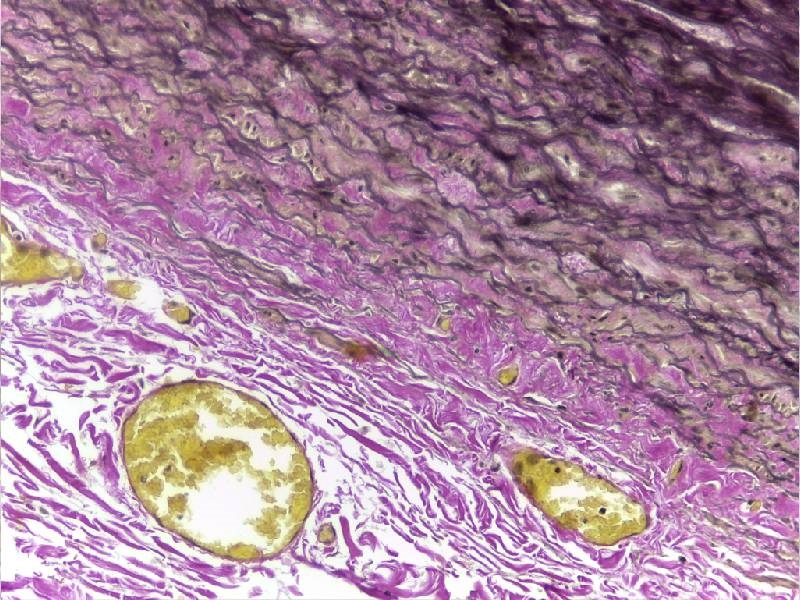
Verhoeff | 010308 | Diapath
Hito Verhoeff OptimStain™ Kit | Hitobiotec Corp.
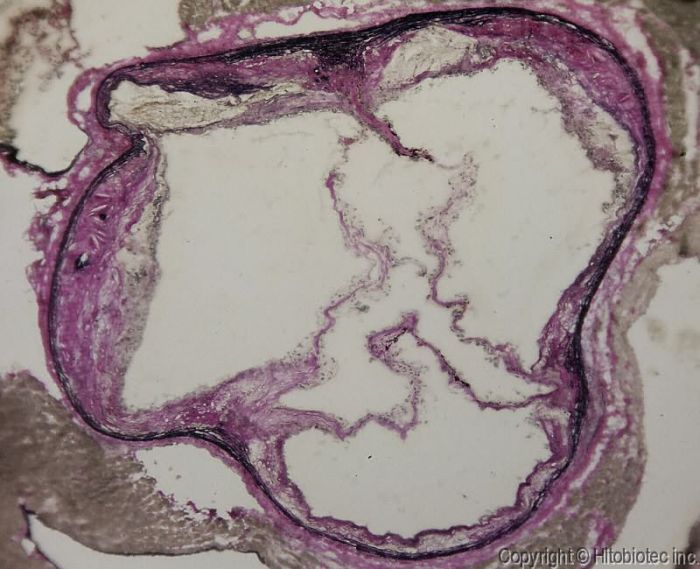
Hito Verhoeff OptimStain™ Kit | Hitobiotec Corp.
Verhoeff Kit - Biognost
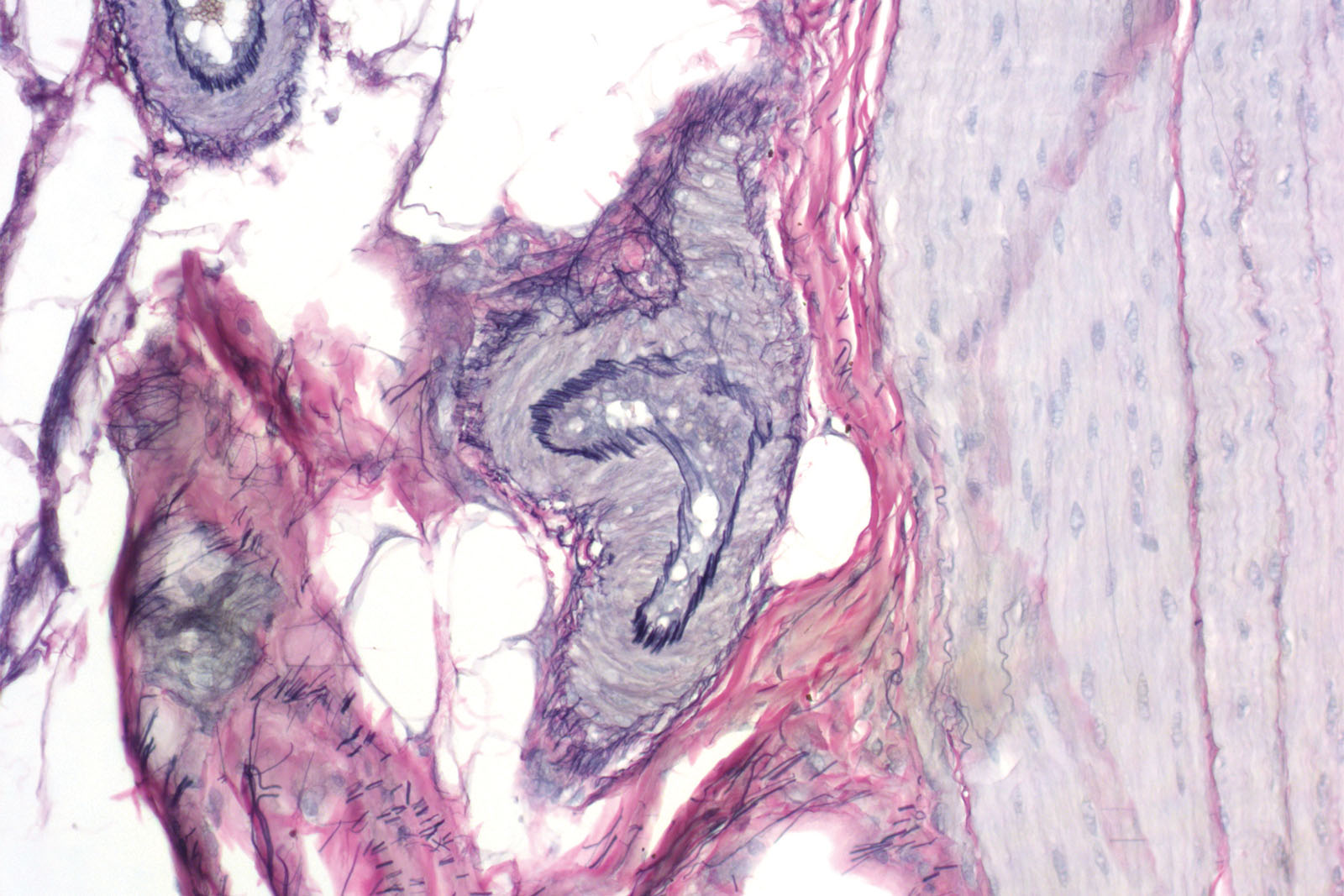
Verhoeff kit - Biognost